Archives September 2026

Casino Interior Design


Casino interior design shapes the appearance and atmosphere of indoor entertainment spaces. Furniture, decorative surfaces, floor coverings, and lighting work together to establish a visual identity that visitors can recognize across different areas of a property.

Design teams may use contrasting materials to separate a dining room from a lounge without creating a physical barrier. Durable finishes are particularly useful in areas where chairs, carts, and large numbers of visitors move throughout the day.

The experience of a space can change with the time of day and the number of people present. An arrangement that feels spacious during a quiet afternoon may need more active management before an evening event. Observing ordinary patterns of use provides useful information about where additional signs, assistance, or room may be needed.

Operational records support continuity between shifts and departments. A clear description of a task or an unresolved issue allows the next person to continue the work without reconstructing the entire situation. The value of such records depends on relevant details, consistent terminology, and a clear indication of who is responsible for follow-up.

Consistency does not mean that every area must have an identical character. A property can contain quiet rooms, active public spaces, and formal service settings while using the same underlying approach to directions and communication. This combination allows variety without requiring visitors to learn a completely new system at every doorway.

The interior therefore functions as both a decorative setting and a working environment that must remain understandable and comfortable. Looking at the subject in this broader context helps explain why apparently small decisions can matter to several departments and why practical arrangements deserve attention alongside the more visible features of a venue.

Casino Art Collections


Casino art collections introduce paintings, sculpture, installations, and decorative objects into hospitality spaces. Works may appear in entrances, corridors, restaurants, or dedicated display areas, contributing to the visual character of the property.

Placement involves more than choosing an empty wall. Lighting, viewing distance, cleaning access, and the surrounding flow of visitors all affect how an object is experienced and how easily it can be cared for.

The relationship between appearance and function is especially important in a frequently used venue. Decorative choices contribute to character, but the same materials and objects must also withstand cleaning, movement, and repeated handling. A design can remain attractive for longer when maintenance requirements are considered before the space begins operating.

Operational records support continuity between shifts and departments. A clear description of a task or an unresolved issue allows the next person to continue the work without reconstructing the entire situation. The value of such records depends on relevant details, consistent terminology, and a clear indication of who is responsible for follow-up.

There is no single arrangement that suits every destination. The age of the building, available floor area, surrounding transport, and mix of facilities all influence the choices available. A city property and a spacious resort may address similar needs through different layouts, even when they offer broadly comparable services to their visitors.

An art collection becomes part of the setting when presentation and upkeep are considered alongside the selection of individual works. Over time, changes in visitor patterns and service arrangements may call for adjustments, making regular observation a useful complement to the original design and to the procedures established when a facility first opens.

Casino Photography


Casino photography can document architecture, interiors, events, and the visual identity of an entertainment property. Images may be produced for a historical record, a design portfolio, or information explaining the facilities available to visitors.

Reflective surfaces, artificial lighting, and movement present practical challenges for photographers. Planning the time and position of a photograph can help show a space clearly while avoiding disruption to staff and other people using it.

Public entertainment properties bring together people with different expectations and levels of familiarity with the building. Some visitors follow a planned schedule, while others explore the available facilities. Clear information and recognizable service points help both groups make practical decisions without needing to understand the internal organization of the property.

Routine observation is an important part of managing this environment. Staff can note recurring questions, worn surfaces, difficult routes, or delays that are not obvious from a drawing. These observations provide a practical starting point for small improvements and help distinguish a temporary inconvenience from an issue that appears repeatedly.

Temporary conditions can reveal details that are less noticeable during routine operation. A busy performance, a maintenance closure, or a change in weather may alter how people use the building. Reviewing these situations helps teams prepare practical alternatives and keep their explanations consistent when the normal arrangement is unavailable.

A useful photograph communicates the character of a place while remaining attentive to the context in which the image is made. The details may differ between properties, but examining how people use the space provides a consistent way to understand its purpose and identify the everyday connections that support the complete visitor experience.

Develop a secure gambling strategy to overcome the house edge

Understanding the House Edge in Casino Games

The house edge is a fundamental concept in any casino environment, representing the casino’s built-in mathematical advantage over the player. This edge ensures the casino’s profitability over the long term. It’s calculated as the average percentage of each bet that the casino expects to keep. For example, a game with a 2% house edge means that, on average, players will lose 2% of their wagers over an extended period of play. Recognizing this inherent disadvantage is the first step towards developing a more informed approach to gambling.

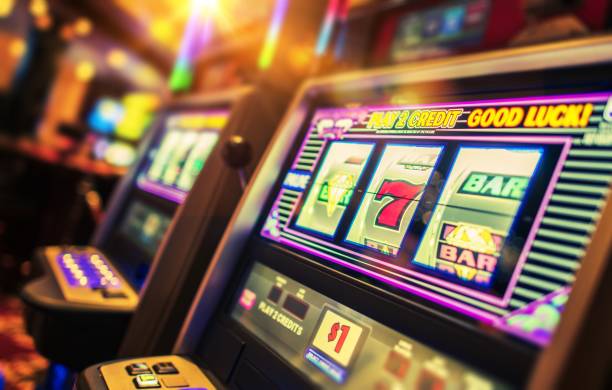
Different casino games possess varying house edges. Games like blackjack, when played with optimal strategy, can offer a relatively low house edge, sometimes under 1%. Conversely, games like slots or keno often have significantly higher house edges, which can range from 5% to upwards of 15% or even more. Understanding these differences allows players to make more strategic choices about which games to play if their goal is to minimize the house’s advantage and potentially extend their playing time.

Strategies for Mitigating the House Edge

While completely eliminating the house edge is impossible in games of chance, players can employ strategies to mitigate its impact. One key strategy is to choose games with a lower house edge. This often means focusing on table games like blackjack and poker where player decisions can influence the outcome, rather than purely random games like slots. Mastering the basic strategy for games like blackjack, for instance, can significantly reduce the house’s advantage.

Another crucial aspect of a sound gambling strategy involves bankroll management. Setting a budget before playing and sticking to it is paramount. This includes deciding on a loss limit and a win goal. By managing funds effectively, players can avoid chasing losses and ensure they don’t deplete their entire bankroll quickly. Responsible gambling practices are not about guaranteeing wins but about ensuring a more controlled and enjoyable experience, even when facing the house edge.

The Role of Skill vs. Luck

It’s essential to differentiate between games of pure chance and games that incorporate elements of skill. In games of pure chance, such as roulette or most slot machines, the outcome of each round is independent and cannot be influenced by previous results or player decisions. The house edge is fixed and unavoidable in these scenarios. The only strategy here is to manage your bets and understand the probabilities.

Games that involve skill, like poker or blackjack (when played with strategy), offer players a degree of control. By understanding the rules, odds, and employing optimal tactics, a skilled player can reduce the house edge considerably, sometimes even to the point where they have an advantage in certain situations, especially in poker. However, even in skill-based games, luck still plays a role in the short term, and consistent success requires both skill and discipline.

Leveraging Bonuses and Promotions

Many online casino platforms, including those accessible via mobile apps, offer various bonuses and promotions to attract and retain players. These can include welcome bonuses, free spins, or cashback offers. While not a direct method to overcome the house edge on individual wagers, these bonuses can effectively extend a player’s playing time or provide additional funds to wager with, thereby increasing the opportunities to play without depleting personal funds.

It’s crucial to approach casino bonuses with a clear understanding of their terms and conditions, especially wagering requirements. These requirements dictate how many times a bonus amount must be wagered before it can be withdrawn. By strategically utilizing bonuses and understanding these conditions, players can enhance their overall gaming experience and potentially achieve more favorable outcomes without directly altering the fundamental house edge of the games themselves.
spacecasino mobile

Space Casino: Your Mobile Gaming Destination

For players looking for a secure and thrilling mobile gambling experience, the spacecasino mobile app offers a compelling platform. It provides a wide selection of exciting slot games and the opportunity for sports betting, all accessible directly from your mobile device. The app is engineered for seamless performance, ensuring an immersive and secure environment for all your gaming needs.

Downloading the Space Casino app grants access to exclusive bonuses and allows players to engage with their favorite casino and sports games anytime, anywhere. This mobile-first approach aligns with modern gaming habits, offering convenience and a robust selection of entertainment. While the house edge remains a factor in all casino games, Space Casino aims to provide a top-tier user experience that complements responsible gambling strategies.

Casino Photography


Casino photography can document architecture, interiors, events, and the visual identity of an entertainment property. Images may be produced for a historical record, a design portfolio, or information explaining the facilities available to visitors.

Reflective surfaces, artificial lighting, and movement present practical challenges for photographers. Planning the time and position of a photograph can help show a space clearly while avoiding disruption to staff and other people using it.

Public entertainment properties bring together people with different expectations and levels of familiarity with the building. Some visitors follow a planned schedule, while others explore the available facilities. Clear information and recognizable service points help both groups make practical decisions without needing to understand the internal organization of the property.

Routine observation is an important part of managing this environment. Staff can note recurring questions, worn surfaces, difficult routes, or delays that are not obvious from a drawing. These observations provide a practical starting point for small improvements and help distinguish a temporary inconvenience from an issue that appears repeatedly.

Temporary conditions can reveal details that are less noticeable during routine operation. A busy performance, a maintenance closure, or a change in weather may alter how people use the building. Reviewing these situations helps teams prepare practical alternatives and keep their explanations consistent when the normal arrangement is unavailable.

A useful photograph communicates the character of a place while remaining attentive to the context in which the image is made. The details may differ between properties, but examining how people use the space provides a consistent way to understand its purpose and identify the everyday connections that support the complete visitor experience.