All posts by admin

Casino Kitchens


Casino kitchens prepare food for restaurants, events, room service, and other dining operations within a property. Their layout connects receiving areas, storage, preparation stations, cooking equipment, and the points where completed dishes leave for service.

Different menus and service schedules can create overlapping demands on the same kitchen. Planning work areas and communication between cooking and dining teams helps coordinate orders without unnecessary movement through busy preparation spaces.

The experience of a space can change with the time of day and the number of people present. An arrangement that feels spacious during a quiet afternoon may need more active management before an evening event. Observing ordinary patterns of use provides useful information about where additional signs, assistance, or room may be needed.

Routine observation is an important part of managing this environment. Staff can note recurring questions, worn surfaces, difficult routes, or delays that are not obvious from a drawing. These observations provide a practical starting point for small improvements and help distinguish a temporary inconvenience from an issue that appears repeatedly.

The wider setting also matters. A property beside a busy street faces different arrival patterns from one reached mainly by private transport. Nearby hotels, event spaces, and public routes can influence the flow of visitors, making the relationship between the venue and its surroundings part of everyday operational planning.

A kitchen is a production environment whose organization influences the reliability of the dining services that visitors experience elsewhere. Looking at the subject in this broader context helps explain why apparently small decisions can matter to several departments and why practical arrangements deserve attention alongside the more visible features of a venue.

Casino Theatres


Casino theatres are performance venues located within casino properties or associated entertainment complexes. Their programs may include concerts, comedy, stage productions, or other scheduled events that attract audiences independently of the gaming facilities nearby.

A theatre requires attention to stage visibility, audience seating, backstage access, and the movement of people before and after a show. Its daily operating rhythm can differ considerably from the continuous activity of an adjacent gaming room.

Public entertainment properties bring together people with different expectations and levels of familiarity with the building. Some visitors follow a planned schedule, while others explore the available facilities. Clear information and recognizable service points help both groups make practical decisions without needing to understand the internal organization of the property.

Information should be presented in a form that suits its audience. Visitors usually need a concise explanation of where to go or what is available, while staff may require more detailed instructions. Keeping these purposes distinct helps avoid crowded signs and makes internal procedures easier to maintain when arrangements change.

The most informative assessment considers the entire journey through the property. A comfortable room can still be difficult to use if it is poorly signposted, and a clear entrance can lead to confusing internal routes. Looking at these connections gives a fuller picture than judging individual features entirely in isolation.

Coordinating performances with the surrounding property helps the theatre retain its own identity without creating confusion for arriving audiences. The details may differ between properties, but examining how people use the space provides a consistent way to understand its purpose and identify the everyday connections that support the complete visitor experience.

Casino Visitor Information


Casino visitor information explains how a property operates and what services are available. It can appear on printed maps, websites, signs, information screens, and through direct conversations with staff at reception or other service points.

Useful information answers practical questions about locations, opening hours, event access, and available assistance. Keeping different channels consistent is particularly important when a restaurant closes temporarily or an event moves to another room.

Within a larger property, this subject connects to services that visitors may not immediately notice. Staff schedules, delivery routes, storage areas, and cleaning routines all influence how a public space operates. Coordination between these activities helps the visible part of the venue remain consistent during both quiet hours and periods of heavier use.

Routine observation is an important part of managing this environment. Staff can note recurring questions, worn surfaces, difficult routes, or delays that are not obvious from a drawing. These observations provide a practical starting point for small improvements and help distinguish a temporary inconvenience from an issue that appears repeatedly.

Consistency does not mean that every area must have an identical character. A property can contain quiet rooms, active public spaces, and formal service settings while using the same underlying approach to directions and communication. This combination allows variety without requiring visitors to learn a completely new system at every doorway.

Visitors benefit when information is current, easy to understand, and available near the place where a question is likely to arise. Its role becomes clearer when viewed alongside the rest of the building, including the routes, services, and staff activities that connect the individual area with the wider experience of visiting an entertainment property.

Casino Art Collections


Casino art collections introduce paintings, sculpture, installations, and decorative objects into hospitality spaces. Works may appear in entrances, corridors, restaurants, or dedicated display areas, contributing to the visual character of the property.

Placement involves more than choosing an empty wall. Lighting, viewing distance, cleaning access, and the surrounding flow of visitors all affect how an object is experienced and how easily it can be cared for.

The relationship between appearance and function is especially important in a frequently used venue. Decorative choices contribute to character, but the same materials and objects must also withstand cleaning, movement, and repeated handling. A design can remain attractive for longer when maintenance requirements are considered before the space begins operating.

Operational records support continuity between shifts and departments. A clear description of a task or an unresolved issue allows the next person to continue the work without reconstructing the entire situation. The value of such records depends on relevant details, consistent terminology, and a clear indication of who is responsible for follow-up.

There is no single arrangement that suits every destination. The age of the building, available floor area, surrounding transport, and mix of facilities all influence the choices available. A city property and a spacious resort may address similar needs through different layouts, even when they offer broadly comparable services to their visitors.

An art collection becomes part of the setting when presentation and upkeep are considered alongside the selection of individual works. Over time, changes in visitor patterns and service arrangements may call for adjustments, making regular observation a useful complement to the original design and to the procedures established when a facility first opens.

Casino Photography


Casino photography can document architecture, interiors, events, and the visual identity of an entertainment property. Images may be produced for a historical record, a design portfolio, or information explaining the facilities available to visitors.

Reflective surfaces, artificial lighting, and movement present practical challenges for photographers. Planning the time and position of a photograph can help show a space clearly while avoiding disruption to staff and other people using it.

Public entertainment properties bring together people with different expectations and levels of familiarity with the building. Some visitors follow a planned schedule, while others explore the available facilities. Clear information and recognizable service points help both groups make practical decisions without needing to understand the internal organization of the property.

Routine observation is an important part of managing this environment. Staff can note recurring questions, worn surfaces, difficult routes, or delays that are not obvious from a drawing. These observations provide a practical starting point for small improvements and help distinguish a temporary inconvenience from an issue that appears repeatedly.

Temporary conditions can reveal details that are less noticeable during routine operation. A busy performance, a maintenance closure, or a change in weather may alter how people use the building. Reviewing these situations helps teams prepare practical alternatives and keep their explanations consistent when the normal arrangement is unavailable.

A useful photograph communicates the character of a place while remaining attentive to the context in which the image is made. The details may differ between properties, but examining how people use the space provides a consistent way to understand its purpose and identify the everyday connections that support the complete visitor experience.

Casino Energy Management


Casino energy management concerns the operation of lighting, heating, cooling, and other systems that consume energy. A large property can contain rooms with very different occupancy patterns, making its overall demand change throughout the day.

Monitoring helps facilities teams understand when and where equipment is being used. Adjustments can then be considered alongside comfort and operational needs, rather than treating every room as if it followed the same schedule.

The relationship between appearance and function is especially important in a frequently used venue. Decorative choices contribute to character, but the same materials and objects must also withstand cleaning, movement, and repeated handling. A design can remain attractive for longer when maintenance requirements are considered before the space begins operating.

The size of a property influences how responsibilities are divided. A smaller venue may use a compact team across several functions, while a larger complex can support specialized departments. In either case, visitors encounter the combined result, so communication between the people delivering different services remains an important practical concern.

There is no single arrangement that suits every destination. The age of the building, available floor area, surrounding transport, and mix of facilities all influence the choices available. A city property and a spacious resort may address similar needs through different layouts, even when they offer broadly comparable services to their visitors.

The subject connects routine building operation with longer-term decisions about equipment, maintenance, and the way spaces are occupied. Over time, changes in visitor patterns and service arrangements may call for adjustments, making regular observation a useful complement to the original design and to the procedures established when a facility first opens.

Fahre dein Glück Ein vollständiger Rahmen für ein leidenschaftliches Glücksspiel-Abenteuer

Die Welt des Online-Glücksspiels meistern

Das Online-Glücksspiel hat sich zu einer faszinierenden und zugänglichen Form der Unterhaltung entwickelt. Mit der digitalen Revolution ist die Möglichkeit, an Glücksspielen teilzunehmen, nur einen Klick entfernt und das rollingslots casino eröffnet Spielern weltweit neue Horizonte, von klassischen Tischspielen bis hin zu den neuesten Spielautomaten. Die Aufregung, das Potenzial für Gewinne und die Vielfalt der verfügbaren Spiele machen es zu einem beliebten Zeitvertreib.
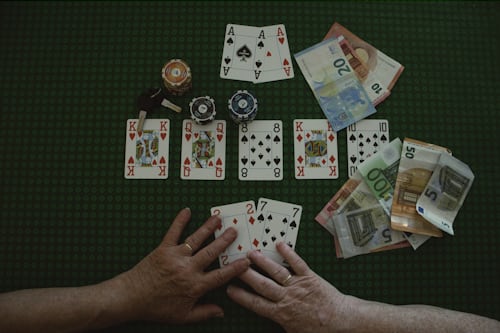
rollingslots casino

Ein tieferes Verständnis der Mechanismen und Strategien, die dem Glücksspiel zugrunde liegen, kann das Erlebnis erheblich verbessern. Es geht nicht nur um reines Glück, sondern auch um die Kenntnis der Spielregeln, die Verwaltung des eigenen Budgets und die Auswahl der Spiele, die am besten zu den eigenen Vorlieben passen. Die Online-Plattformen bieten dafür eine hervorragende Grundlage, da sie oft detaillierte Informationen und Übungsmodi bereitstellen.

Strategien für verantwortungsbewusstes Spielen

Verantwortungsbewusstes Spielen ist das Fundament für ein nachhaltiges und angenehmes Glücksspielerlebnis. Es bedeutet, Grenzen zu setzen, sowohl zeitlich als auch finanziell, und diese strikt einzuhalten. Sich der Risiken bewusst zu sein und niemals mehr zu setzen, als man sich leisten kann zu verlieren, ist entscheidend. Viele seriöse Online-Casinos bieten Werkzeuge zur Selbstkontrolle an, wie z.B. Einzahlungslimits oder die Möglichkeit, sich selbst auszuschließen, um sicherzustellen, dass das Spiel ein Vergnügen bleibt.

Darüber hinaus ist es wichtig, sich über die Gewinnchancen und die Auszahlungsquoten der verschiedenen Spiele zu informieren. Ein Verständnis dieser Zahlen kann helfen, informiertere Entscheidungen zu treffen und Spiele zu wählen, die ein besseres Verhältnis von Risiko zu Belohnung bieten. Glücksspiel sollte niemals als Mittel zur Lösung finanzieller Probleme betrachtet werden, sondern stets als eine Form der Freizeitgestaltung, die Spaß macht und unterhält.

Die Vielfalt der Glücksspiele online

Die Landschaft des Online-Glücksspiels ist unglaublich vielfältig und bietet für jeden Geschmack etwas. Spielautomaten sind dabei oft die beliebteste Wahl, mit unzähligen Themen, Bonusfunktionen und aufregenden Grafiken. Aber auch traditionelle Casinospiele wie Blackjack, Roulette und Poker finden sich in virtuellen Versionen, die oft mit Live-Dealern für ein authentischeres Erlebnis gespielt werden können. Innovative Spielformate wie Crash-Spiele erfreuen sich ebenfalls wachsender Beliebtheit.

Diese breite Palette an Optionen ermöglicht es Spielern, ständig neue und aufregende Spiele zu entdecken. Ob man nun die Strategie hinter einem Kartenspiel bevorzugt oder die unvorhersehbare Spannung eines Roulettes, die Online-Casinos decken ein breites Spektrum ab. Die ständige Entwicklung neuer Spiele und Funktionen sorgt dafür, dass das Online-Glücksspiel dynamisch und fesselnd bleibt, und bietet immer wieder neue Herausforderungen und Unterhaltungsmöglichkeiten.

Aktionen und Boni im Online-Casino

Attraktive Aktionen und Boni sind ein fester Bestandteil des Online-Glücksspielerlebnisses und eine großartige Möglichkeit, den eigenen Spielwert zu maximieren. Von Willkommensboni, die neue Spieler anlocken, bis hin zu Treueprogrammen, die regelmäßige Spieler belohnen, gibt es viele Möglichkeiten, zusätzliche Vorteile zu erhalten. Diese Angebote können in Form von Bonusguthaben, Freispielen oder auch Cashback-Optionen auftreten.

Es ist jedoch ratsam, die Bedingungen und Konditionen, die mit diesen Boni verbunden sind, sorgfältig zu prüfen. Umsatzanforderungen und Auszahlungslimits sind wichtige Aspekte, die berücksichtigt werden müssen, um das volle Potenzial eines Bonus auszuschöpfen. Ein gut geplanter Einsatz von Boni kann die Spielzeit verlängern und die Chancen auf Gewinne erhöhen, solange man sich der damit verbundenen Regeln bewusst ist.
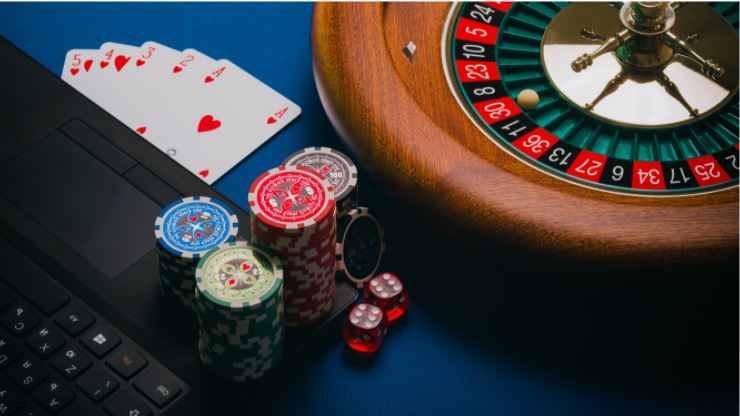
rollingslots casino

RollingSlots: Ihr Tor zum Glücksspielvergnügen

RollingSlots präsentiert sich als eine erstklassige Destination für alle, die das Online-Glücksspiel lieben. Mit einer beeindruckenden Auswahl an Spielautomaten, die von klassischen Früchten bis hin zu modernen Video-Slots reichen, ist für jeden Geschmack etwas dabei. Das Live-Casino-Angebot verspricht authentisches Spielvergnügen mit echten Dealern, während innovative Crash-Spiele für Nervenkitzel und schnelle Unterhaltung sorgen. Die Plattform ist darauf ausgelegt, ein nahtloses und ansprechendes Spielerlebnis zu bieten.

Die Benutzerfreundlichkeit von RollingSlots, kombiniert mit attraktiven Aktionen, macht es zu einer ausgezeichneten Wahl für sowohl neue als auch erfahrene Spieler. Die einfache Navigation ermöglicht es, schnell zu den Lieblingsspielen zu gelangen oder neue Favoriten zu entdecken. Die Verpflichtung zu Sicherheit und verantwortungsbewusstem Spielen unterstreicht das Engagement von RollingSlots, eine vertrauenswürdige und unterhaltsame Umgebung für Glücksspiel-Enthusiasten zu schaffen.

Casino Uniform Design


Casino uniform design develops clothing for employees working in different hospitality and gaming roles. The garments can help visitors recognize staff while also reflecting the visual identity and level of formality of a property.

Practical considerations include movement, temperature, laundering, and the tools carried during a shift. A uniform suitable for a reception desk may need a different construction from clothing worn in a kitchen or maintenance area.

Within a larger property, this subject connects to services that visitors may not immediately notice. Staff schedules, delivery routes, storage areas, and cleaning routines all influence how a public space operates. Coordination between these activities helps the visible part of the venue remain consistent during both quiet hours and periods of heavier use.

Periodic review allows a property to compare its intended arrangements with actual daily use. Useful questions concern access, comfort, waiting, maintenance, and the clarity of information. These observations do not require every space to look the same; they help each area perform its particular role within the larger venue.

The most informative assessment considers the entire journey through the property. A comfortable room can still be difficult to use if it is poorly signposted, and a clear entrance can lead to confusing internal routes. Looking at these connections gives a fuller picture than judging individual features entirely in isolation.

Uniforms are most effective when recognizable styling is supported by the comfort and everyday requirements of the people wearing them. Its role becomes clearer when viewed alongside the rest of the building, including the routes, services, and staff activities that connect the individual area with the wider experience of visiting an entertainment property.

Casino Theatres


Casino theatres are performance venues located within casino properties or associated entertainment complexes. Their programs may include concerts, comedy, stage productions, or other scheduled events that attract audiences independently of the gaming facilities nearby.

A theatre requires attention to stage visibility, audience seating, backstage access, and the movement of people before and after a show. Its daily operating rhythm can differ considerably from the continuous activity of an adjacent gaming room.

Public entertainment properties bring together people with different expectations and levels of familiarity with the building. Some visitors follow a planned schedule, while others explore the available facilities. Clear information and recognizable service points help both groups make practical decisions without needing to understand the internal organization of the property.

Information should be presented in a form that suits its audience. Visitors usually need a concise explanation of where to go or what is available, while staff may require more detailed instructions. Keeping these purposes distinct helps avoid crowded signs and makes internal procedures easier to maintain when arrangements change.

The most informative assessment considers the entire journey through the property. A comfortable room can still be difficult to use if it is poorly signposted, and a clear entrance can lead to confusing internal routes. Looking at these connections gives a fuller picture than judging individual features entirely in isolation.

Coordinating performances with the surrounding property helps the theatre retain its own identity without creating confusion for arriving audiences. The details may differ between properties, but examining how people use the space provides a consistent way to understand its purpose and identify the everyday connections that support the complete visitor experience.

Casino Table Games


Casino table games are activities played around a designated table with equipment such as cards, chips, or a wheel. Different games use different layouts and procedures, creating recognizable spaces within the larger gaming room.

The table arrangement provides positions for participants and staff while leaving room for circulation. Clear explanations of the activity and its procedures are important because visitors may have different levels of familiarity with the setting.

Within a larger property, this subject connects to services that visitors may not immediately notice. Staff schedules, delivery routes, storage areas, and cleaning routines all influence how a public space operates. Coordination between these activities helps the visible part of the venue remain consistent during both quiet hours and periods of heavier use.

Operational records support continuity between shifts and departments. A clear description of a task or an unresolved issue allows the next person to continue the work without reconstructing the entire situation. The value of such records depends on relevant details, consistent terminology, and a clear indication of who is responsible for follow-up.

Temporary conditions can reveal details that are less noticeable during routine operation. A busy performance, a maintenance closure, or a change in weather may alter how people use the building. Reviewing these situations helps teams prepare practical alternatives and keep their explanations consistent when the normal arrangement is unavailable.

From an operational perspective, a table is a complete service area with its own equipment, layout, and communication requirements. Its role becomes clearer when viewed alongside the rest of the building, including the routes, services, and staff activities that connect the individual area with the wider experience of visiting an entertainment property.